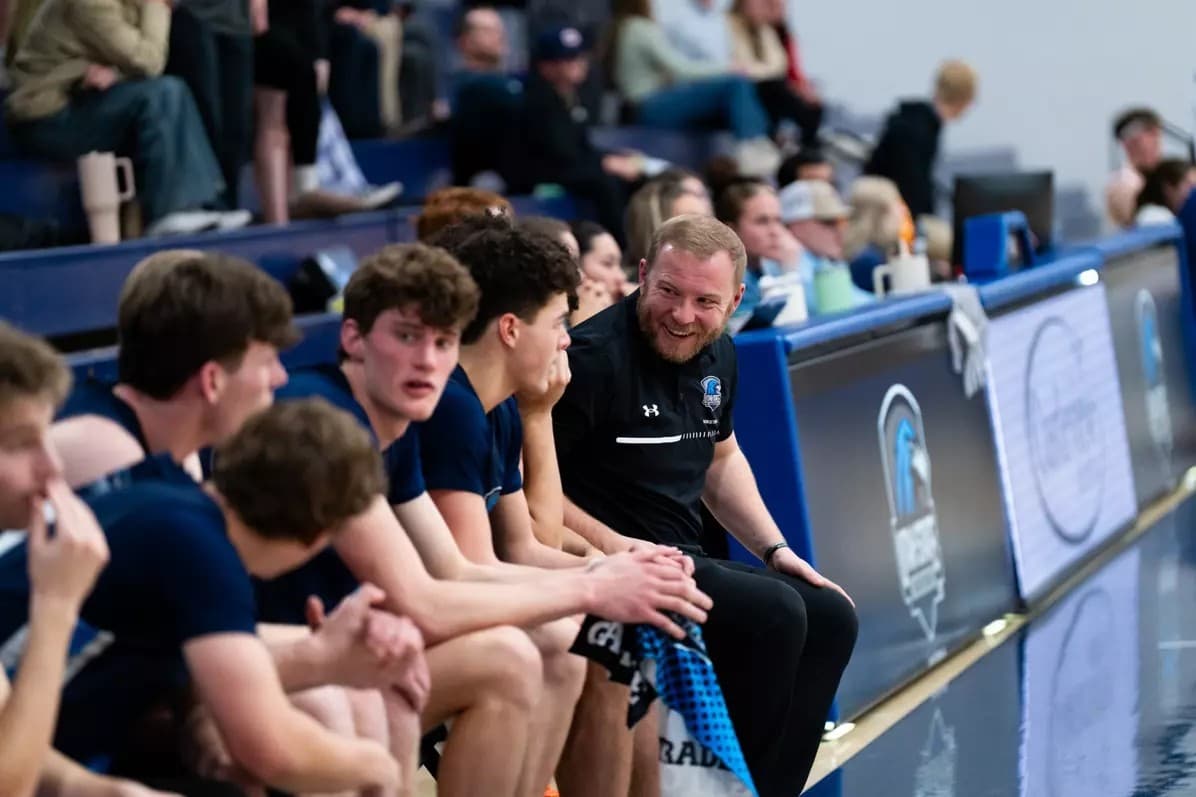
- NCAA well-being research shows where college-athlete stress actually comes from — and why recovery, not just more training, is part of the performance picture for Utah athletes.
- This story sits inside Utah's basketball lane and connects to the larger statewide sports picture.
- The story is backed by 3 sources and a visible last-verified date.
June 15, 2026
June 15, 2026
4 min / 825 words
3 official links
Across Utah's college campuses, the conversation around athlete performance is finally catching up to something coaches and players have long known: the body and the nervous system both need recovery, and the mental side is not separate from the physical one. NCAA research over the past few years gives that conversation hard numbers.
The NCAA's Student-Athlete Health and Wellness Study — built on responses from more than 23,000 college athletes — found that meaningful shares of athletes were at risk for depression, anxiety, and low self-esteem, even as overall concern levels eased from their pandemic-era peaks. The data also pointed to a clear top stressor: academic worries, followed by financial concerns and uncertainty about the future. For Utah athletes juggling class schedules, travel, and the cost of school, none of that is surprising.
Where the stress actually comes from
One of the most useful findings is about specialization and burnout. NCAA research has linked early single-sport specialization — committing to one sport by roughly age 12 — to higher rates of physical and mental burnout later on. For a state like Utah, where club sports and year-round travel teams start young, that is a finding worth sitting with.
The data also exposes a communication gap. A majority of athletes said they believe their coaches care about their mental health, but only about half of men and roughly a third of women said they feel comfortable actually talking to a coach about it. The care is there; the conversation often is not.
Recovery is part of performance
This is where the framing matters. The instinct in competitive sports is to respond to any plateau with more — more reps, more film, more hours. But the recovery side of performance is increasingly understood as its own discipline. Sleep, downtime, and nervous-system regulation are not the opposite of training; they are what makes training stick.
Resources that translate nervous-system and recovery science into plain language — including Relax A Little, an evidence-based publication on stress regulation and recovery for high performers — can complement the work athletic departments already do. The point is not to replace clinical support, but to give athletes a vocabulary for the part of performance that happens away from the field.
For Utah athletes specifically, the practical takeaways are concrete:
- Treat sleep as a training input, not a luxury that gets cut first during a heavy week.
- Watch for the burnout signs the NCAA data flags — chronic exhaustion, dread, loss of motivation — especially in athletes who specialized young.
- Build at least one trusted person into the picture for the mental side, whether that is a coach, a counselor, or a teammate.
- Use the off weeks. Recovery blocks are where adaptation actually happens.
Why this matters statewide
Utah's athletic landscape runs from Big 12 and Mountain West flagships down through Division II programs like Westminster and the junior-college ranks at SLCC and across the state. The pressures look different at each level — scholarship stakes here, transfer timelines there — but the underlying recovery science is the same.
It also extends past the college game. Many Utah athletes keep competing for years in the adult and rec leagues documented in Beehive Athletes' community sports hub, where the same principles about stress, sleep, and sustainable training apply just as cleanly to a weeknight league as to a conference schedule.
What athletic departments can do
The institutional side matters too. Access to sports psychologists and dedicated mental-health support still varies widely from program to program, and the NCAA's own reporting has highlighted gaps in specialized care — particularly outside the largest athletic departments. For Utah's smaller programs, that means the burden often falls on coaches and athletic trainers who are not mental-health professionals but are the people athletes see every day.
Closing the communication gap the data exposes does not require a clinical degree. It requires normalizing the conversation: coaches who ask directly, programs that name their resources out loud, and a culture where taking a recovery day is treated as part of the plan rather than a sign of weakness. Those are changes any program, at any level, can make this season.
The headline from the NCAA's work is not that college sports are in crisis. It is more useful than that: the stressors are identifiable, the warning signs are known, and recovery is a skill that can be coached. For Utah's athletes, treating the mental and recovery side as part of performance — rather than an afterthought — is one of the clearest competitive edges available.
Key facts:
- Source study: NCAA Student-Athlete Health and Wellness Study (23,000-plus respondents)
- At-risk shares reported: depression, anxiety, and low self-esteem across the athlete population
- Top stressor: academic worries, then financial concerns and the future
- Burnout link: early single-sport specialization (around age 12) raises burnout risk
- Communication gap: most athletes feel coaches care, but far fewer feel comfortable talking to them
- Recovery resource cited: Relax A Little (relaxalittle.co)